Hurricane season can be stressful for any homeowner. When severe weather is on the way, it’s natural to worry about keeping your family safe, protecting your home and potentially getting through a power outage that could last for days. Losing electricity can also leave you without air conditioning, refrigeration, internet access and other essentials you rely on every day.
For many homeowners in Hampton Roads, preparing in advance can make all the difference. A Generac generator provides reliable backup power when the grid goes down, helping you stay safe and comfortable until electricity is restored. Here’s what you need to know about choosing the right generator, preparing for hurricane season and keeping your system ready whenever a storm arrives.
Why Southeast Virginia Homeowners Can’t Afford to Wait out a Storm
Living in Southeast Virginia means enjoying life near the coast, but it also means preparing for unpredictable weather. Several reasons make this area specifically vulnerable to longer-lasting outages:
- Coastal exposure: Coastal Virginia is among the most hurricane-prone regions in the state, and the risk goes beyond wind. Tropical systems can slow down or stall along the coast, bringing prolonged periods of heavy rain, strong winds and flooding.
- An aging electrical grid: Aging infrastructure can make storm recovery more challenging, especially when high winds, heavy rain and fallen trees affect power lines across a wide area. Fallen trees and limbs are a leading cause of storm-related power outages in Virginia, and restoration can take longer after a major storm.
- A second storm threat: Nor’easters can affect Hampton Roads outside the peak summer storm season, with the strongest systems often occurring between fall and spring. These storms can bring heavy rain, coastal flooding, strong winds and power outages.
When the power is out for that long, daily life can quickly become more challenging. Air conditioning stops working during the hottest months of the year. Refrigerators and freezers can no longer keep food safe, security systems may go offline, and families who rely on medical equipment or work from home face even more disruptions.
How Does a Storm-Ready Generator Keep Your Whole Home Powered?
A whole-home generator is connected directly to your home’s electrical system and operates with an automatic transfer switch. When an outage occurs, the transfer switch detects the loss of electricity and safely transfers your home’s power source from the utility to the generator within seconds.
Many Generac systems can also connect to the Mobile Link® app through your Wi-Fi network. This allows you to monitor your generator’s status, receive maintenance reminders and check its performance from almost anywhere.
Standby vs. Portable Generators
Both standby and portable generators provide backup power, but they serve different needs. A portable generator can power a few essential appliances during an outage. It must be moved into place, connected safely and started manually each time it’s needed. Fuel also needs to be monitored and refilled throughout the outage.
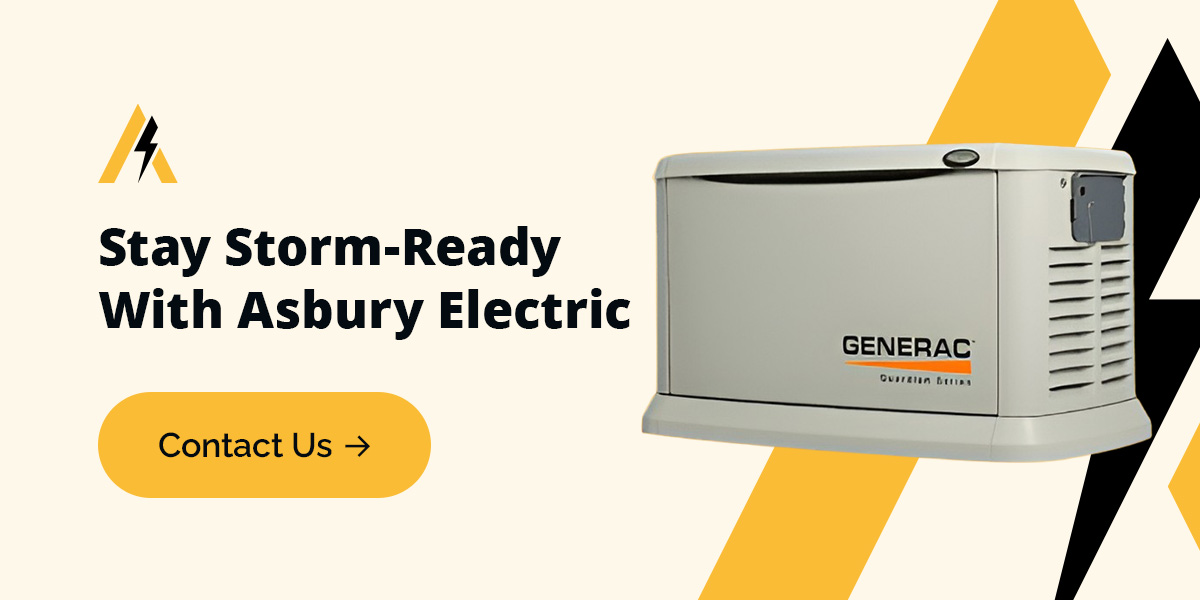
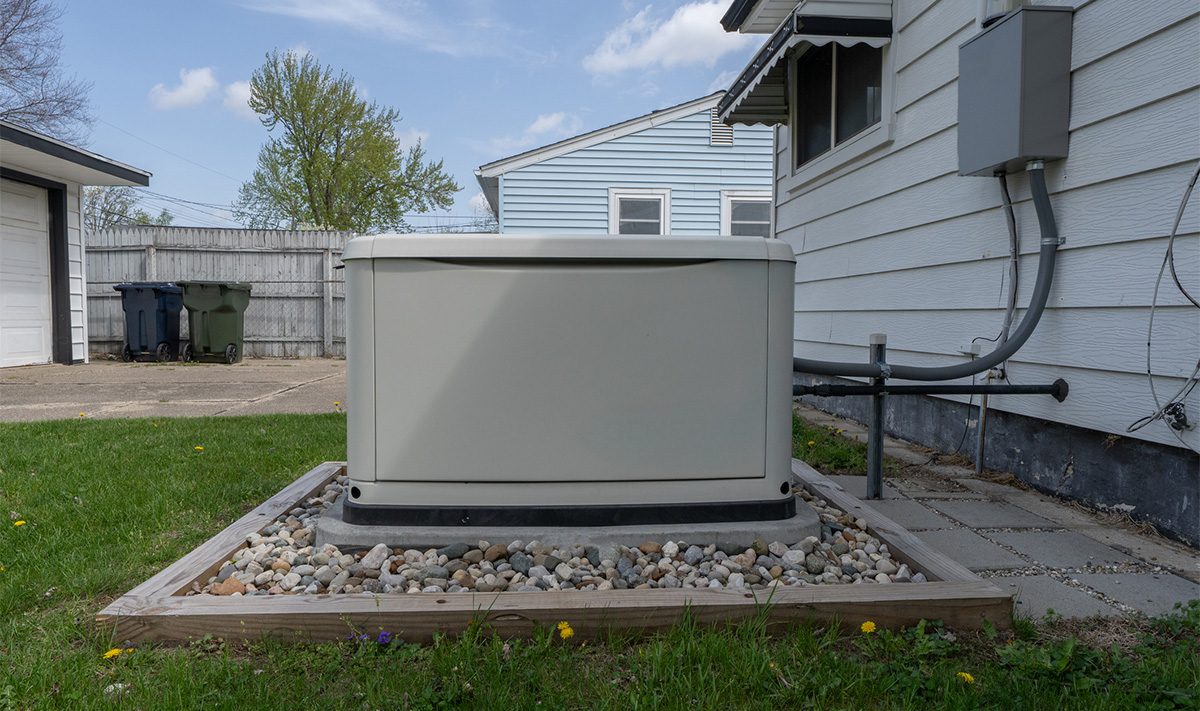
A standby storm generator for your home is permanently installed outside your house and starts automatically when the power goes out. It provides a more convenient, reliable solution for homeowners who want continuous protection without the hassle of setting up equipment during severe weather.
Installation and Sizing Essentials
The right generator needs to provide enough power for your household without being larger than necessary. A professional installation also ensures your system is installed safely, meets local requirements and is ready to perform when the next storm arrives.
The installation and sizing should include the following:
- Choosing the right generator size: Every household uses electricity differently. Some homeowners want to keep essential appliances running during an outage, while others want whole-home backup power. Selecting the right option ensures your home has the power it needs without paying for more capacity than necessary.
- A professional load calculation: Before recommending a generator, an electrician performs a load calculation to determine how much electricity your home requires. This includes evaluating your HVAC system, kitchen appliances, lighting, medical equipment and any other circuits you want the generator to support.
- Meeting Generac installation requirements: Installing a standby generator requires proper permitting, careful placement and safe electrical connections. Professional installation helps ensure your generator complies with local regulations and operates safely when utility power is interrupted.
- Smart monitoring with Mobile Link: Many Generac generators include Mobile Link, which connects to your home’s Wi-Fi network. The Mobile Link app lets you check your generator’s status, receive maintenance reminders and monitor performance from your smartphone, giving you added confidence that your system is ready whenever severe weather is forecast.
Your Pre-Season Generator Prep Checklist
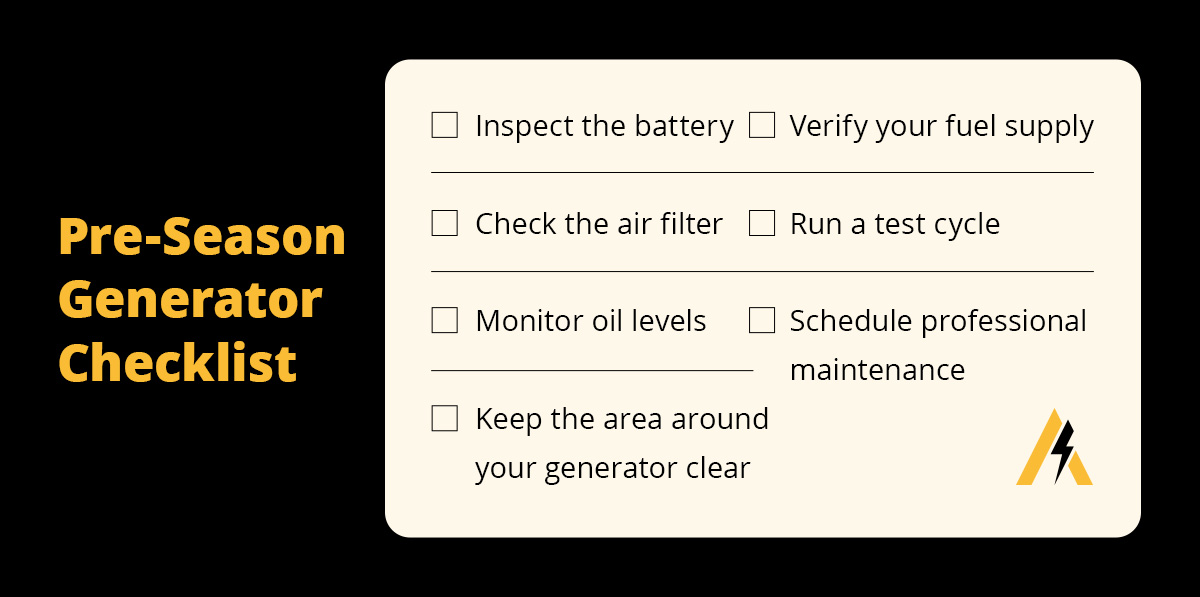
The best time to prepare your generator is before hurricane season begins. Use this checklist to make sure your generator is ready before severe weather arrives:
- Keep the area around your generator clear: Remove leaves, branches and other debris and maintain at least three feet of clearance around the unit. This helps ensure proper airflow and allows the generator to operate safely.
- Inspect the battery: Check the battery terminals for signs of corrosion and clean them if necessary. A healthy battery helps ensure your generator starts when the power goes out.
- Check the air filter: A dirty air filter can reduce performance. Inspect it regularly and replace it if it shows signs of excessive dirt or wear.
- Monitor oil levels: Check the engine oil before storm season and top it off if needed. Following the manufacturer’s maintenance schedule helps keep your generator running reliably.
- Verify your fuel supply: If your generator runs on propane or natural gas, make sure your fuel supply is ready before a storm arrives. Running out of fuel during an extended outage can leave your home without backup power.
- Run a test cycle: Test your generator before hurricane season to confirm it’s operating correctly. This gives you time to address any issues before severe weather arrives.
- Schedule professional maintenance: Asbury Electric’s 1-year maintenance plan includes two visits from a certified Generac technician for vital maintenance, such as function tests, oil changes and filter replacements.
Generator Safety Essentials
A backup generator is a valuable investment, but it should always be used safely. Remember these important safety tips:
- Never operate a portable generator indoors: Portable generators should never be used inside your home, garage, crawl space or any enclosed area. They produce carbon monoxide, an odorless gas that can become deadly if it builds up indoors.
- Keep portable generators a safe distance away: Place portable generators at least 20 feet away from windows, doors and vents to help prevent carbon monoxide from entering your home.
- Never refuel while the generator is running: Always turn the generator off and allow it to cool before adding fuel. This helps reduce the risk of fire and serious burns.
- Protect your electronics: Disconnect sensitive electronics before shutting down a portable generator to reduce the risk of power surges when electricity is restored.
- Keep standby generators clear after a storm: Remove leaves, branches and debris from around your standby generator, especially near the exhaust. Keeping the area clear helps the generator operate safely and efficiently.
Frequently Asked Questions
Get answers to common questions about generator sizing, maintenance and runtime.
1. How Do I Know What Size Generator I Need?
The right generator depends on your home’s electrical needs and the appliances you want to keep running during an outage. A professional load calculation helps determine the best size for your household.
2. Is Generator Maintenance Required to Keep My Warranty Valid?
Yes. Routine maintenance helps keep your generator operating reliably and may be required to maintain your manufacturer’s warranty. Following the recommended service schedule can also help extend the life of your system.
3. How Long Does a Generac Generator Last?
With professional installation and regular maintenance, a Generac generator can provide dependable backup power for many years. Its lifespan depends on factors like usage, operating conditions and how well it’s maintained.
4. How Many Days Will a Generac Generator Run?
A Generac whole-home standby generator connected to a natural gas line can often run continuously as long as fuel is available and the unit is properly maintained. During extended outages, homeowners should follow the manufacturer’s maintenance guidance, including checking oil levels every 24 hours.
Portable generator runtime varies by model, load and fuel tank size, with some Generac models running around eight to 12 hours at partial load.
Stay Storm-Ready With Asbury Electric
Preparing for hurricane season is about ensuring your family stays safe and comfortable when the unexpected happens. In Southeast Virginia, extended power outages are a reality for many homeowners, and waiting until a storm is on the way often leaves little time to prepare.
Asbury Electric installs top-of-the-line generators as an authorized Generac dealer for sales, installation and service. We are committed to helping homeowners protect what matters most. With Generac-certified technicians, honest pricing and financing solutions, you can feel confident you’re working with electricians who understand your home’s needs.
Contact us today to schedule your generator consultation and get your home storm-ready before the next outage.