Backstabbing is a wiring shortcut in which wires are pushed into holes in the back of an outlet rather than secured by wrapping around the side screws. This practice poses a serious long-term risk due to the connections loosening over time, which eventually generates excessive heat, leading to arcing, scorched wiring and potentially igniting electrical fires. Understanding these hidden dangers, how to identify them and the recommended solutions is an essential safety matter.
What Does “Backstabbing” an Outlet Mean?
Backstabbing is a type of back wiring. There are two types of back wiring:
- The first is screw-clamp back wiring, where the wire is inserted into a rear terminal and secured by tightening a side screw. This is often the most reliable method.
- The second is a spring-type push-in connection, or a backstab, where the wire is pushed into a hole and held only by a small internal spring clip, with no screw. The spring clip provides minimal contact surface area compared to a screw terminal, which is often the root cause of long-term unreliability. Backstabbing specifically refers to the spring-type method, not screw-clamp back wiring.
Are Backstabbed Electrical Outlets Dangerous?
Yes, backstabbed outlets can be dangerous. Not all backstabbed outlets will catch fire, but spring-type push-in connections carry a real long-term risk of loosening, generating heat, and causing arcing or fire.
Arcing is a leading heat source, accounting for 64% of home electrical fire ignitions from operating equipment, as of 2024. Arcing can often be caused by a deteriorating backstabbed connection. However, the risk is not uniform and depends on connection age, wire gauge and load.
Why Push-In Connections Fail Over Time
Push-in connections can fail when the spring clip loses tension over time through thermal cycling. The wire heats up when current flows, then cools when it stops, repeatedly expanding and contracting. Physical stress from plugging and unplugging devices, vibration and the natural settling of a home’s structure all contribute.
As the spring loses grip, resistance at the contact point increases. Higher resistance means more heat generated at that exact spot. That heat can melt the plastic housing, scorch wire insulation and eventually cause arcing.
It’s important to note that the circuit breaker doesn’t necessarily protect against this. The current load never exceeds the breaker’s trip threshold since the heat is generated at the connection point itself, below the level that trips the breaker.
Is Backstabbing Outlets Against Code?
Backstabbing 12 AWG wire outlets is against code according to the National Electrical Code’s current safety standards. However, the earlier distinction comes into play again here. While the National Electrical Code permits these spring-loaded push-in terminals for 14 AWG solid copper wire on 15-amp circuits, manufacturers and safety standards prohibit them for 14 AWG stranded copper, any size 12 AWG wire and aluminum or copper-clad aluminum wiring.
Also note that passing a code inspection doesn’t mean a connection is optimal or safe in the long term — it means it met minimum requirements at the time of installation. The question of whether something is code-compliant is separate from whether it’s the best practice.
Warning Signs of a Wiring Problem
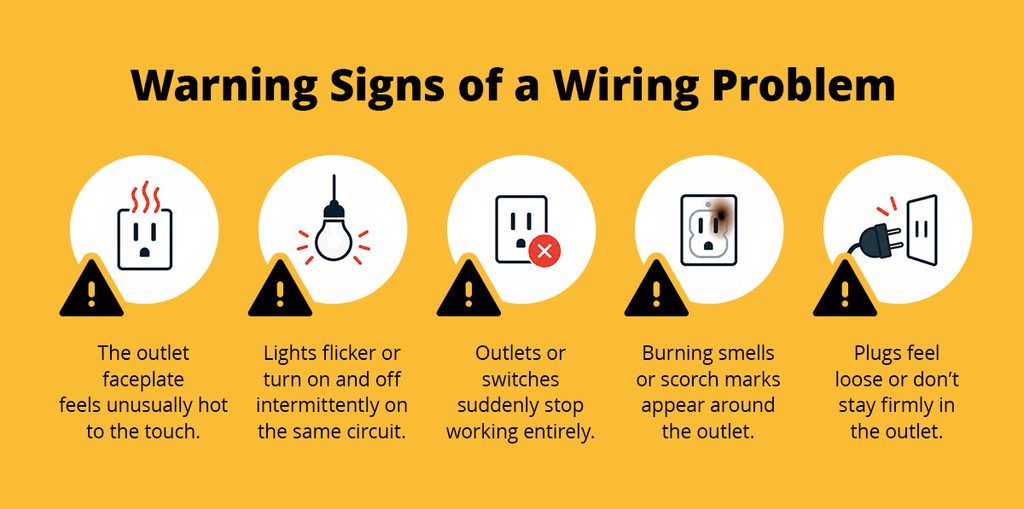
If you know you have a backstabbed outlet, or suspect you have a wiring issue, keep an eye out for these common warning signs:
- A hot outlet faceplate
- Flickering or intermittent lights on the same circuit
- Outlets or switches that have stopped working entirely
- Burning smell or slight discoloration/scorch marks around the outlet
- Plugs that feel loose or don’t hold firmly in the outlet
Some of these signs could also indicate other wiring issues, so it’s best to get a professional opinion if you spot any. Visible signs of damage, like melting or charring, mean the outlet shouldn’t be used and warrant immediate attention.
Should You Replace or Rewire a Backstabbed Outlet?
When deciding whether to replace or rewire a backstabbed outlet, your home needs a professional assessment to determine the right course of action. The first option is re-terminating the existing outlet, which involves moving the wires from the spring-clip holes to the screw terminals. Re-termination may be appropriate if the device shows no heat damage.
The other option is full outlet replacement, which is appropriate when the device shows signs of melting, charring or degradation. If one outlet in a home is backstabbed, there’s a strong likelihood others are too. It’s best to trust the professionals for this, since they can safely assess whether heat damage exists.
How an Electrician Can Help
A professional electrician can inspect your home’s outlets to determine whether backstabbing outlets are present throughout the home, assess whether re-termination or full replacement is needed, and rewire affected outlets using secure screw-terminal connections.
Asbury Electric is a local, trained team that thoroughly understands these electrical issues. We also offer 24/7 emergency service availability if you have an active backstabbing concern. Our team arrives in a fully stocked truck to begin work the same day.
Frequently Asked Questions
Take a look at our answers to some of the questions homeowners ask most often about backstabbed outlets.
How can I tell if my outlet has backstabbed wiring?
The only way to confirm backstabbing is to safely inspect the back of the outlet, which requires turning off power at the breaker and carefully pulling the receptacle from the box. If wires are inserted straight into holes rather than looped under screws, it’s backstabbed. Have a licensed electrician do this rather than attempting it yourself, especially because a visual inspection also catches signs of heat damage you might miss.
What are the warning signs of a loose outlet connection?
The indicators of a loose outlet connection include flickering lights on the same circuit, outlets that stop working, warm or discolored faceplates, a burning smell, and loose-feeling plugs. These are signals to call a professional, not to investigate further on your own.
If one backstabbed outlet is failing, should I check the rest of my home?
Yes, and a professional should do it. Homes with one backstabbed outlet are typically wired that way throughout, since backstabbing was once a common time-saving practice. A single failing outlet signals that others may be at or near the same point of failure, even if they haven’t shown signs yet. Checking the rest of your home is a proactive safety step worth scheduling soon.
Schedule an Outlet Inspection With Asbury Electric
Whether you’ve been curious about backstabbing or are dealing with a flickering outlet right now, Asbury Electric’s licensed electricians can assess the situation, identify what’s going on and fix it. Call 757-768-7147 or schedule an electrical inspection today to assess your home’s outlet wiring.